Proper land preparation — covering land clearing, grading, excavation, soil testing, drainage planning, and foundation prep — is the most critical phase of any new building project. Skipping or rushing these steps can lead to structural failure, costly repairs, and permit violations down the line.
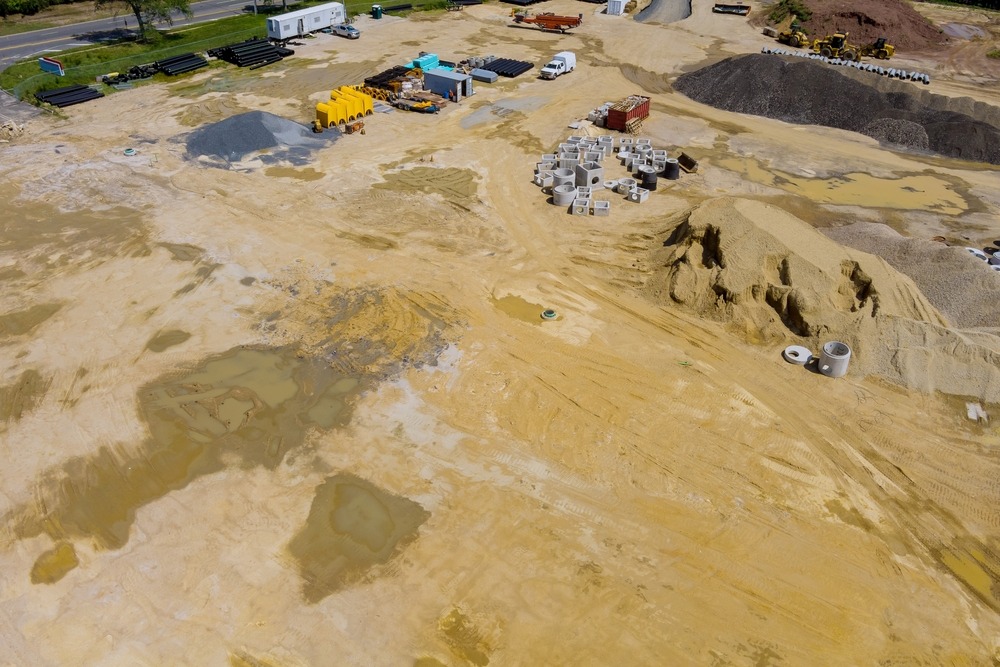
Every successful building starts long before the first wall goes up. What happens beneath and around your structure determines whether it stands strong for decades — or becomes an expensive problem years from now. Land preparation is where that story begins, and getting it right requires expertise, the right equipment, and a clear process.
Here’s exactly what professional land preparation involves, and why each step matters.
What Does Land Clearing Involve — and Why Does Timing Matter?
Land clearing is the process of removing trees, stumps, brush, rocks, and debris from a construction site to create a clean, build-ready surface. This step is non-negotiable. Roots left in the ground can cause soil shifting; hidden rocks and debris can interfere with underground utilities.
Timing is critical. Land clearing should happen just before excavation begins. Clearing too early allows erosion and vegetation regrowth to undo your preparation work — adding cost and delay to your project. Coordinating the clearing and excavation phases with your contractor ensures maximum efficiency from the start.
Most municipalities also require permits before clearing begins, particularly when large trees or significant grading is involved. Pine Ridge Property Maintenance handles this process on your behalf, ensuring full compliance with local regulations before a single tree comes down.
How Does Grading and Excavation Shape Your Build?
Once the land is cleared, grading reshapes the terrain to meet your structure’s requirements. Most building sites vary between 2 and 10 feet from true level, meaning even land that appears flat typically needs careful shaping (according to Barn Pros, 2023).
Grading achieves two goals simultaneously: it creates a level base for your foundation and directs water away from the structure. Excavation follows, digging the foundation trenches and shaping the terrain for underground utilities, drainage systems, and footings.
These two phases are inseparable — and when done correctly, they set the entire project up for success.
Why Is Soil Testing a Non-Negotiable Step Before Construction?
Soil testing is one of the most overlooked — and most consequential — steps in land preparation. A geotechnical assessment reveals your soil’s load-bearing capacity, composition, and groundwater level, all of which directly impact foundation design.
Two factors demand particular attention:
- Bearing soil quality and depth: If adequate bearing soil sits too deep beneath poor-quality material, excavation crews remove the inferior soil and replace it with engineered crushed rock for structural stability.
- Water table depth: High groundwater levels require soil removal and replacement with crushed rock to manage moisture and prevent long-term foundation damage.
Skipping soil testing is a gamble with high stakes. Pine Ridge Property Maintenance coordinates geotechnical assessments with qualified engineers who understand local soil conditions — so your project is built on facts, not assumptions.
How Do You Plan for Proper Drainage Before Construction Begins?
Drainage planning happens during the grading phase, but its effects last for the lifetime of your building. Poor drainage leads to water pooling around foundations, erosion, and costly structural damage over time.
Effective site drainage channels water away from the building perimeter, manages stormwater runoff, and accounts for your local terrain and soil type. In some cases, this involves installing subsurface drainage systems or reshaping significant portions of the land.
Getting drainage right at this stage is far less expensive than fixing water damage after construction is complete.
What Are the Best Practices for Foundation Preparation?
With clearing, grading, and soil work complete, your site receives its final preparation before foundation installation. The two most common foundation systems are slab-on-grade — used for residential and many commercial structures — and post-in-ground systems, which are traditional for agricultural and utility buildings.
Regardless of type, quality foundation preparation ensures proper drainage away from the structure, accurate leveling for your engineering requirements, and a stable base for long-term structural performance.
Start Your Build the Right Way
Rushing land preparation is one of the most common — and costly — mistakes property owners make. Every phase builds on the last, and cutting corners early creates compounding problems that are difficult and expensive to fix.
Pine Ridge Property Maintenance provides professional land preparation services including land clearing, grading, excavation, soil assessment coordination, drainage planning, and foundation prep. Contact our team today to get your project started on solid ground.